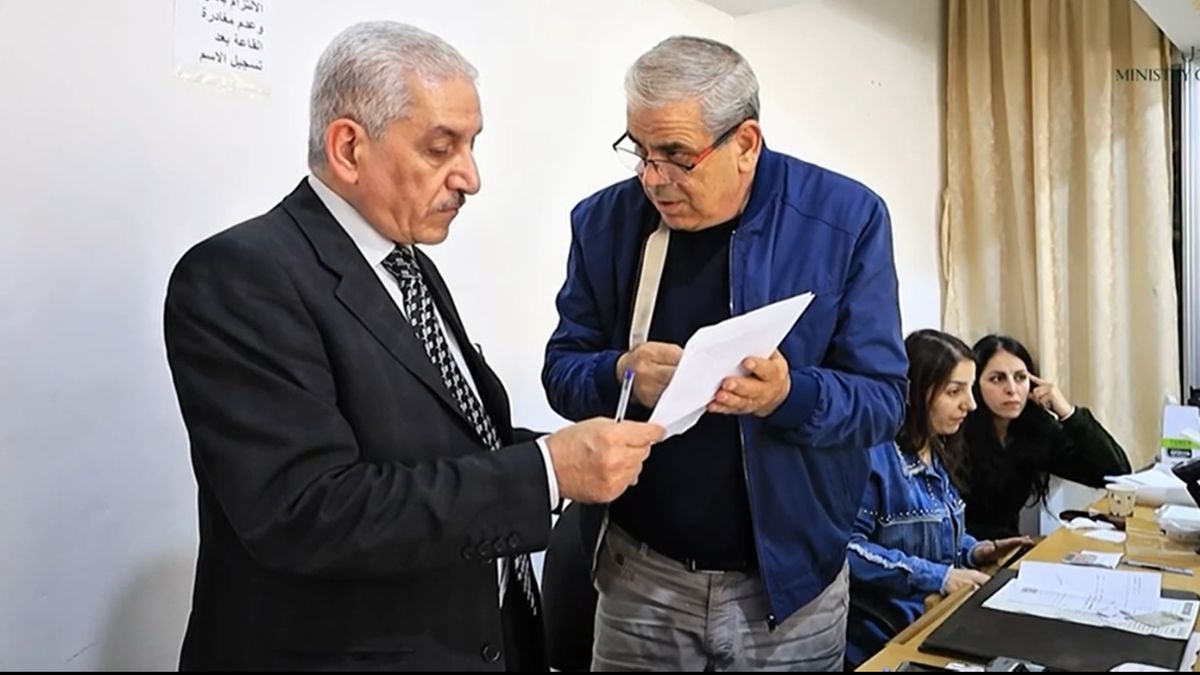
Court Rejects the Challenge
The Tenth Civil Court of First Instance in Damascus dismissed a lawsuit on 4 June 2026 that sought to suspend a sharp increase in household electricity tariffs. The court ruled it lacked territorial jurisdiction over the case, applying Article 147 of Civil Procedure Code No. 1 of 2016, which lets a court decline a matter outside its competence on its own motion.
The suit was filed by lawyer Bassel Saeed Manee and others against the energy minister, Muhammad al-Bashir, in both his personal and official capacities. It asked the court to invalidate contract terms and halt enforcement of the tariff decree.
What Decree 687 Changed
The contested measure, Decree 687 of 30 October 2025, restructured residential electricity pricing into tiers. The first tier was set at 600 Syrian pounds (SYP) per kilowatt-hour for consumption up to 300 kWh over two months, with about 60 percent of that band subsidized.
Higher tiers rise steeply, reaching 1,400, 1,700 and 1,800 SYP per kilowatt-hour. The plaintiffs argued the rates were unaffordable amid widespread displacement, unemployment and high rents.
The Government's Position
Officials have defended the increase as necessary to curb losses from heavily subsidized power, putting the annual cost of electricity subsidies at roughly one billion US dollars (USD).
They also point to a wide supply gap, citing domestic generation of about 2,200 megawatts against far larger demand and a shortfall in the gas volumes needed to run power stations.
Why the Ruling Matters
By declining jurisdiction rather than ruling on the merits, the court left the tariff structure in force. For households, the decision means the higher bills introduced in late 2025 remain in effect.
The case highlights the tension between fiscal pressure to reduce subsidies and the strain that higher utility costs place on family budgets across the country.