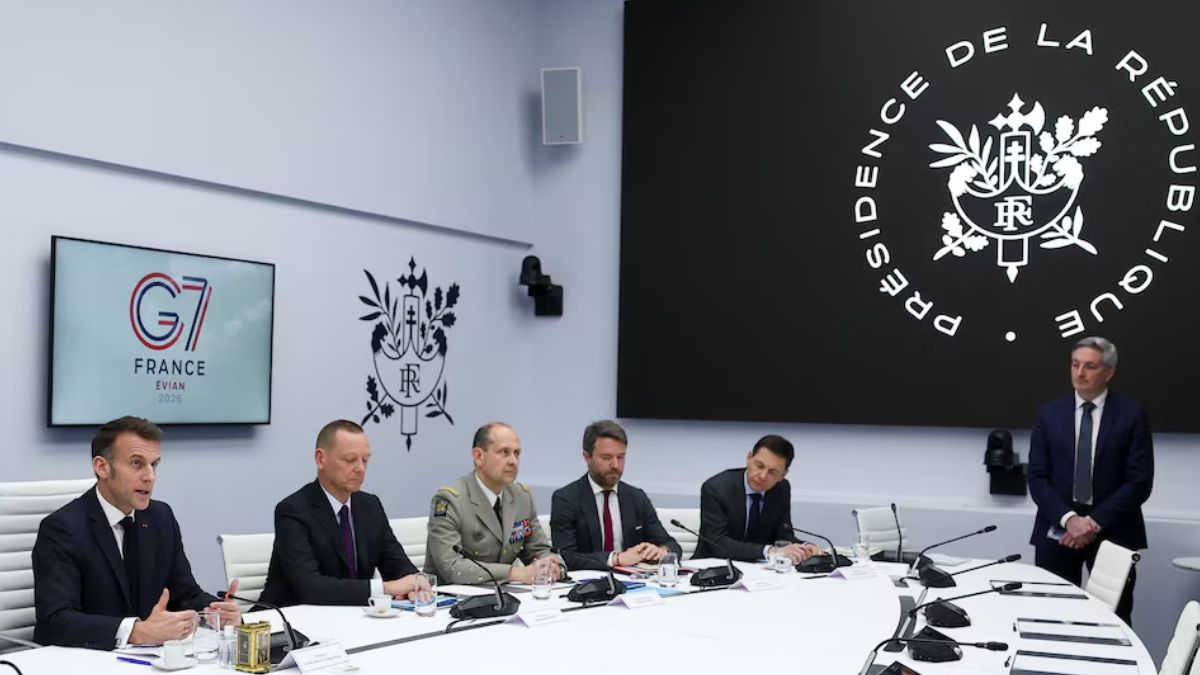
Damascus Returns to G7 Table
Syrian Finance Minister Mohammad Yusr Barnieh is expected to take part in a closed session of the Group of Seven (G7) finance ministers and central bank governors in Paris on 18 May 2026, according to a source familiar with the meeting. The two-day gathering is one of the most visible steps yet in Damascus's effort to re-enter Western financial circles after more than a decade of sanctions and economic isolation.
Recovery and Reintegration
Discussions on the Syrian file are expected to center on the country's economic recovery and its gradual reintegration into the global financial system. The Syrian portion of the agenda reportedly includes financial reintegration, reconstruction financing, and the prospect of easing some of the trade and financial restrictions imposed on the country in recent years.
Wider Agenda
Outside the Syria-specific track, the broader meeting will address global trade tensions, the economic fallout of the wider Middle East conflict, and ongoing strains in supply chains and energy markets. Ukraine is also expected to take part in parts of the discussions alongside Syria, in what the source described as G7 attention to states deemed pivotal to regional and global security.
Path to the June Summit
The Paris session falls in the run-up to the G7 leaders' summit scheduled for June. Damascus's presence at the finance ministers' track reflects a broader push by President Ahmed al-Sharaa's administration to draw closer to major economies, attract support for reconstruction, and position Syria as a central player in the economic shifts reshaping the region.
For a government emerging from years of economic isolation, presence at the G7 finance track is itself the signal — a public step on the long road back toward international financial standing.
What Reintegration Looks Like
The financial reintegration discussed in the Syrian portion of the agenda is, in practice, the sum of several separate moves: easing trade and financial restrictions imposed during the conflict, opening reconstruction-financing channels, and rebuilding the correspondent-banking and clearing links that years of isolation eroded.
None of those steps happen at a single meeting, but a public seat at the G7 finance table is a shift in the register of the conversation — from sanctions enforcement to recovery planning — and the kind of signal donors and reconstruction-focused lenders track when weighing their own next moves.