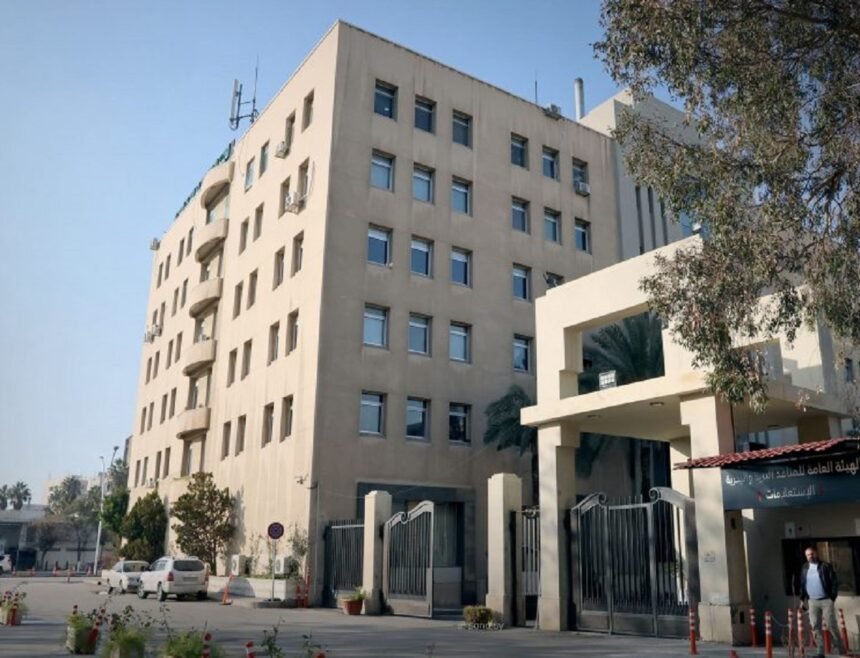
Customs Authority Opens Free Zones to Imports
Syria's General Authority for Crossings and Customs has issued a decision allowing investors who operate inside the country's free zones to import used cars from neighboring states for display in their own showrooms. The decision was announced on 12 May 2026 through the authority's official channels.
The measure followed a meeting between the authority's leadership and the General Establishment for Free Zones, responding to requests from investors based inside those zones.
Pledge to Block Local Resale
Each importing investor must submit a written official pledge containing three commitments: not to place the cars on the domestic market, not to seek their registration or sale on Syrian territory, and to abide by all laws and regulations in force.
The decision also activates car cutting and dismantling activity inside the free zones, jointly supervised by the General Customs Administration and the General Establishment for Free Zones, with the explicit aim of stopping the long-running trade in reassembled, accident-damaged cars sold to the public.
Sequel to 2025 Import Halt
The new rules extend a regulatory chain that began in late June 2025, when the Syrian Ministry of Economy and Industry froze used-car imports effective 29 June of that year. Limited exemptions covered trucks, tractor heads, public-works machinery, agricultural tractors under ten years old and passenger buses with more than 32 seats under four years old.
Officials cited the need to control the import bill and protect foreign-currency reserves, arguing that the volume of imported vehicles had already outstripped infrastructure capacity.
Damascus Traffic and Currency Pressure
Industry analysts have argued that the number of cars in Damascus alone rose from roughly 250,000 to 600,000 during 2025, intensifying congestion and putting pressure on customs revenue and the Syrian pound (SYP) against the US dollar (USD).
The framework also follows Decision No. 4 of 2025 from the National Import-Export Committee, which had earlier allowed processing of vehicles stranded inside free zones and border crossings, and Presidential Decree No. 263 establishing that committee under President Ahmed al-Sharaa.
Enforcement Through Joint Inspection
The customs body said monitoring of the new framework will be carried out jointly with the free-zones establishment, with legal action taken against any violations identified during inspections. Officials stressed that complete vehicles and reassemblable frames remain barred from crossing into the domestic market.