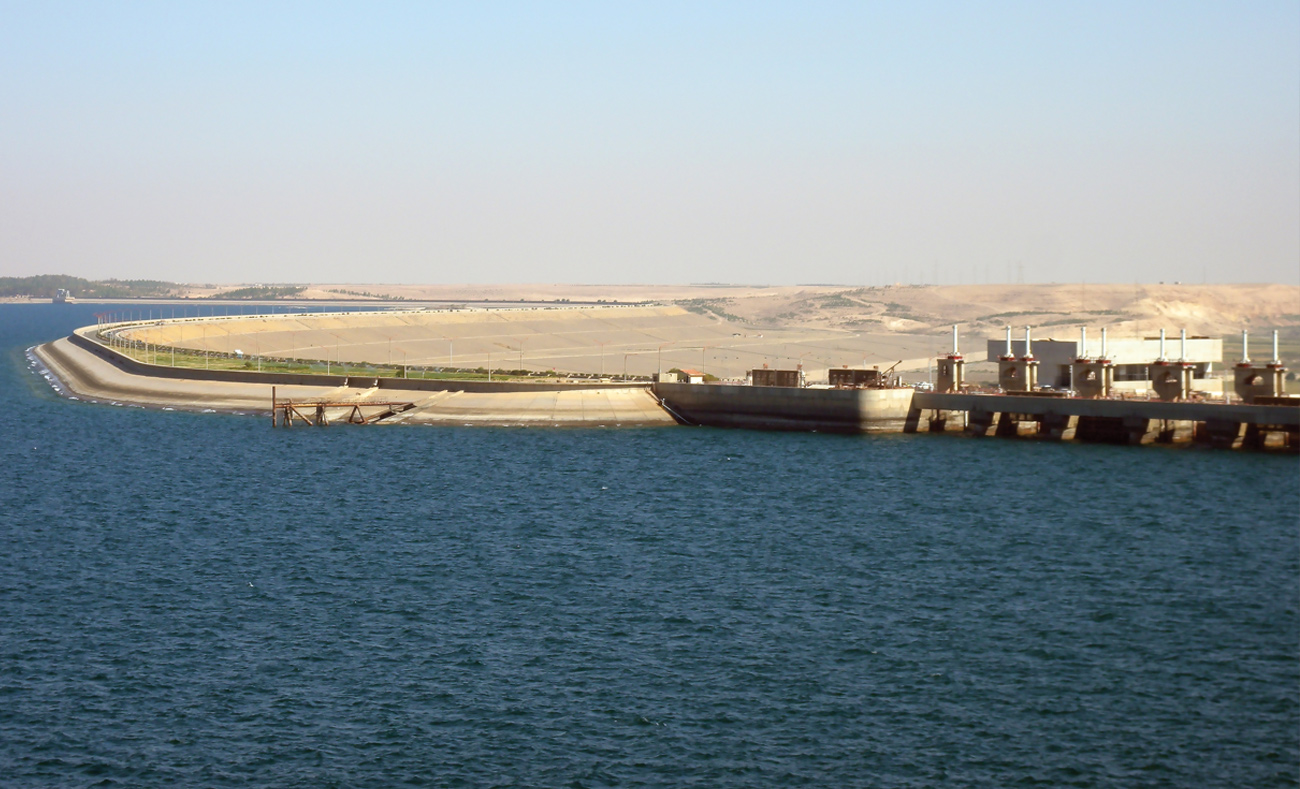
Reservoirs Near 93% of Capacity
Water storage across the three main dams on the Euphrates river — the Tishreen, Euphrates and Kadran dams — has climbed to about 15 billion cubic meters, equivalent to roughly 93 percent of their combined maximum capacity of around 16 billion cubic meters. The figures were disclosed in remarks on 3 May 2026 by Haitham Bakour, director general of the Public Authority for the Euphrates Dam, who described the level as "good" and said the institution was working to maintain it with only modest daily increases.
Where the Water Came From
Inflows since the start of 2026 have exceeded 500 cubic meters per second, adding about 3 billion cubic meters to the reservoirs over the period. Bakour attributed the gain primarily to natural factors: strong rainfall in the catchment area, combined with the start of seasonal snowmelt in Turkish territory, which together strengthened flow into the river.
For reference, the reservoir level when the institution assumed operations stood at 297 meters above sea level, with a total volume of about 9.5 billion cubic meters — some 5.5 billion cubic meters below the current figure.
What It Means for Power
The higher inflows have translated directly into more electricity output, Bakour said, although he stressed that the surge is "temporary" and is likely to taper as seasonal conditions change. Normal generation across the dams runs between 150 and 200 megawatts, a range below the current peak.
To balance storage and output, the authority has run two parallel tracks: lifting reservoir levels gradually while also passing more water through the dams to generate additional power. Discharge from the Kadran Dam was raised from 300 to 500 cubic meters per second over the past month, and a similar level is expected in the coming month.
Earlier Flood Warnings
In mid-April 2026, formal warnings were issued by the Early Warning and Preparedness Department of the Emergency and Disaster Management Ministry, in cooperation with the Water Resources Directorate of Raqqa Governorate, after the higher Kadran discharge lifted river levels. Residents were urged to remove agricultural equipment from the riverbanks and to avoid temporary or earthen bridges that could be swept away or submerged.
A Strategic, Seasonal Resource
The three dams together form what officials describe as a vital water network for irrigation and electricity. Management of the sites passed to the current authority after the Syrian army took control of the Euphrates Dam on 18 January 2026 and the Tishreen Dam the following day, following the withdrawal of the Syrian Democratic Forces. Despite the current improvement, officials stressed that the gains remain tied to rainfall, snowmelt and Turkish-side flows, leaving open the prospect of renewed water decline through the summer that could weigh on agriculture and the power grid.