A New Detour From the Gulf
Iraq and the United Arab Emirates have begun routing crude oil and consumer goods overland through Syria toward Mediterranean ports, easing dependence on the Strait of Hormuz at a moment when the chokepoint's traffic faces fresh disruption risk.
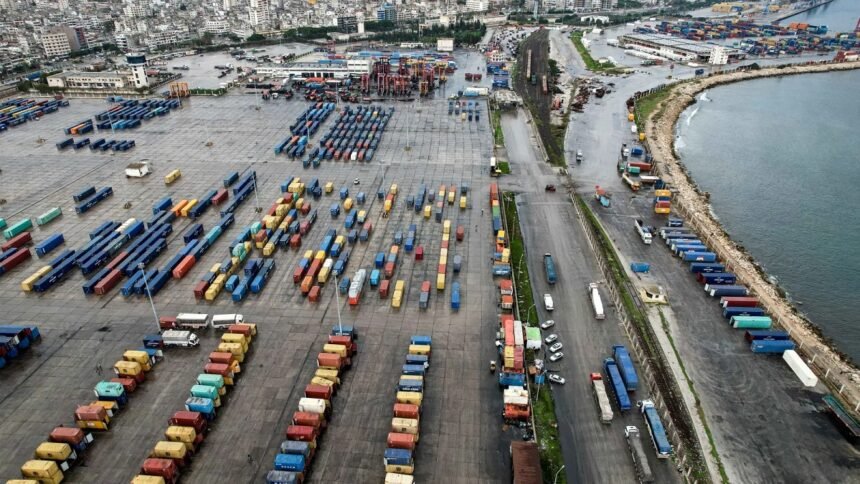
Iraq's state oil marketing company has asked Damascus for transit facilities to move crude through Syrian territory to the port of Banias on the Mediterranean. Separately, a first shipment of roughly 200 vehicles from the UAE crossed Jordan into Syria during April 2026 and was re-exported toward European markets through the port of Latakia.
Banias and Latakia Re-emerge
Both Banias and Latakia sit on Syria's Mediterranean coast. A return to handling regional transit cargo and crude flows would put Syrian docks back into a regional logistics map that has bypassed them for years, and lift port-side activity that has run far below capacity.
The Iraqi request reflects accumulated stockpiles of crude that producers have struggled to move after recent disruptions on Gulf shipping lanes, leaving barrels stranded with no clear path to global buyers.
Geography Becomes the Asset
Syria borders Iraq, Turkey, Jordan, and Lebanon and faces the Mediterranean — a configuration that, when transit is stable, allows the country to function as a combined land and sea corridor linking the Arab Gulf to European and world markets. With Hormuz tensions rising, that geography becomes commercially attractive again to refiners and shippers across the region.
The Reconstruction Backdrop
The corridor opportunity sits alongside an unrepaired economy. World Bank estimates put Syria's reconstruction needs above $200 billion USD, with persistent shortfalls in electricity, water, and basic infrastructure that constrain port throughput and inland trucking.
Whether the early oil and cargo movements widen into sustained throughput depends on political stability and on the willingness of regional exporters to commit beyond test-run cargoes — a translation from geographic opportunity to durable economic flow that the months ahead will test.